
After an injury or surgery, it is important to begin an exercise conditioning program to help you return to your daily activities and live a more active, healthy lifestyle. A well-structured conditioning program will also enable you to return to sports and other recreational activities.
This is a general conditioning program that provides a wide range of exercises. For your safety and the effectiveness of the program, it is recommended that you perform the exercises under supervision.
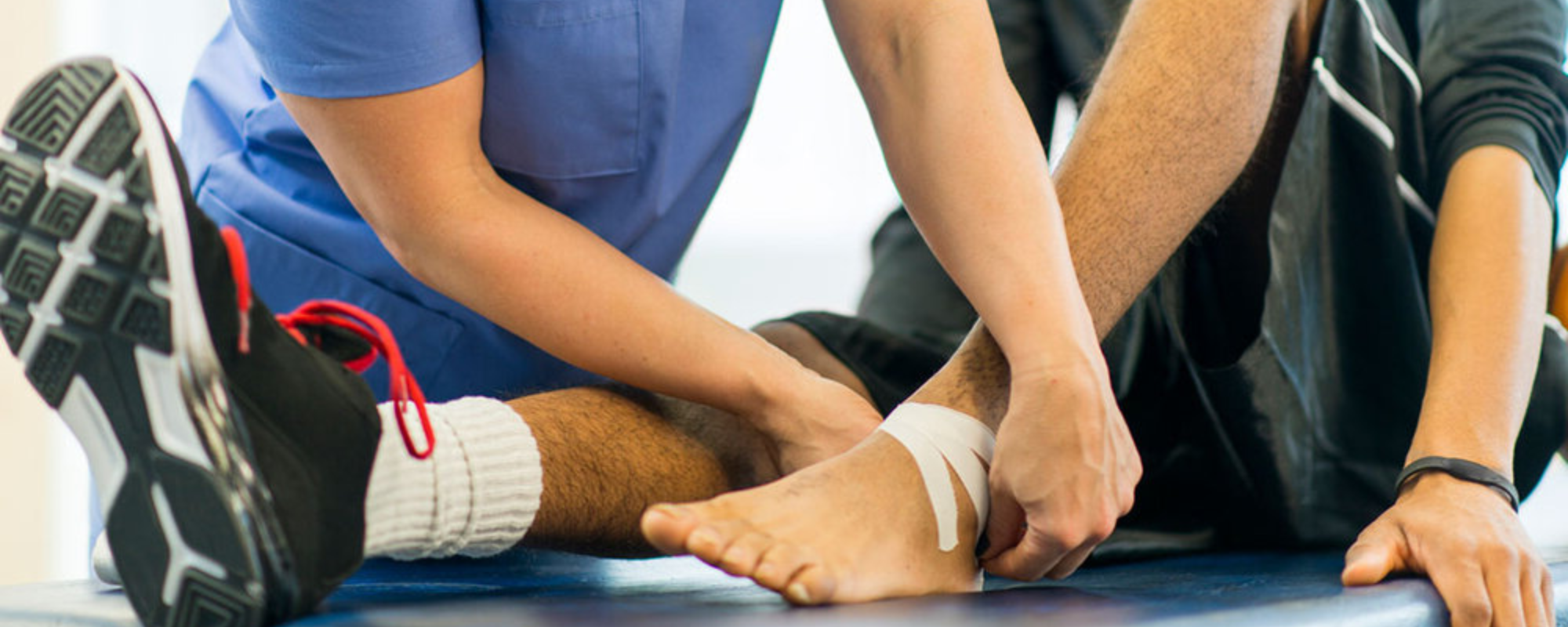
Strengthening the muscles that support your lower leg, foot, and ankle can help keep your ankle joint stable. This in turn can relieve foot and ankle pain and prevent further injury.
When it comes to keeping your muscles healthy and flexible, stretching is just as important as strengthening. By gently stretching after a workout, you can reduce soreness.
The muscles, tendons, and ligaments of the lower leg are all important for controlling movement in the feet. This conditioning program will help improve your mobility.
The length of this program will depend on your individual needs, but it should generally last for 4 to 6 weeks. After you’ve recovered, continue doing these exercises 3 to 5 times a week as part of a maintenance program.
Before exercises, warm up with 5 to 10 mins of low impact activity like walking or stationary cycling.
After the warm-up, it’s important to do some stretching exercises before moving to strengthening.
When you have completed the strengthening phase, repeat the stretching exercises to end the program.
Pain means something is wrong. If you feel pain, stop and talk to your consultant immediately.